Best SAP Module for Mechanical Engineers: How to Choose
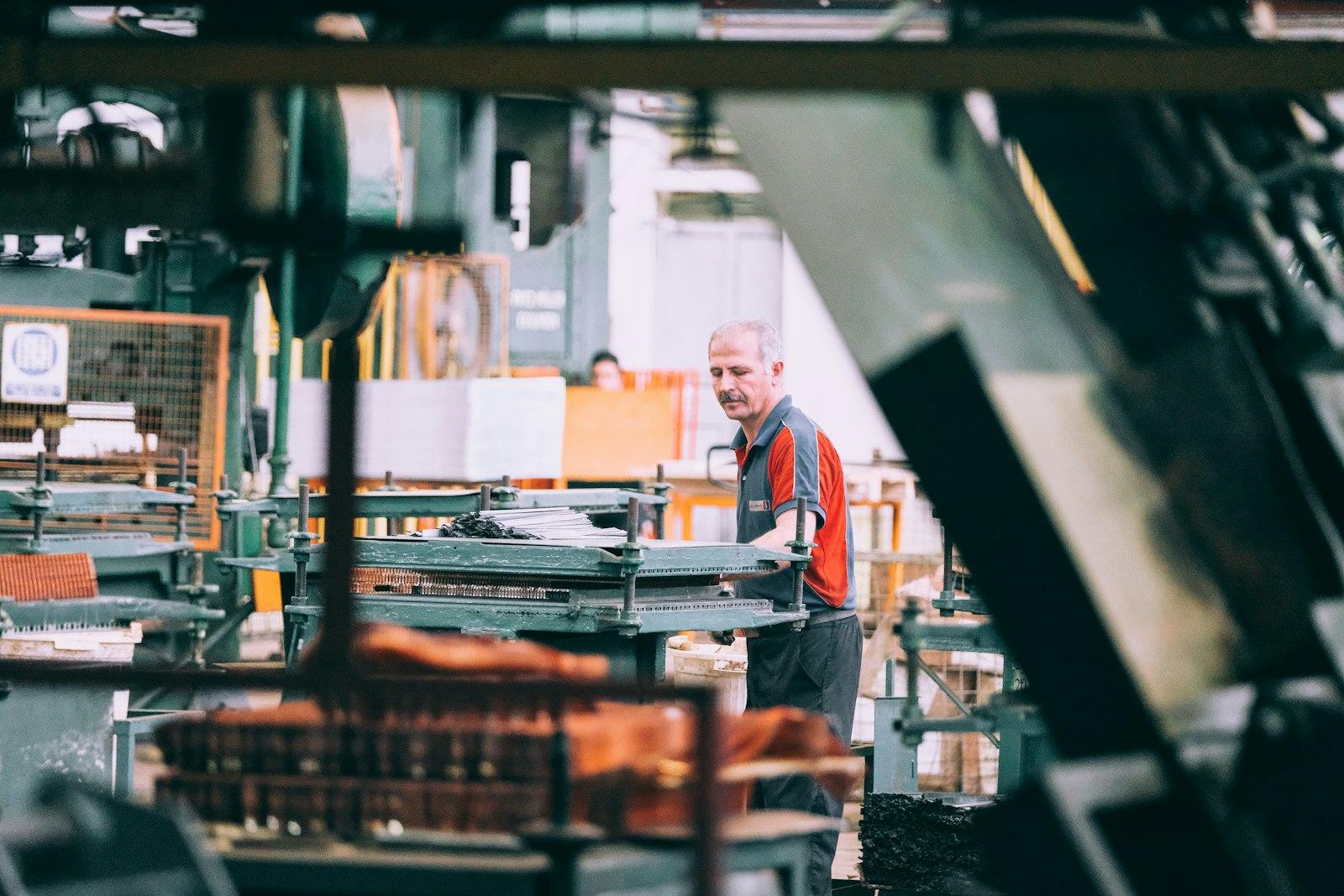
The best SAP module for a mechanical engineer is the one that matches the work you have already done. For most mechanical and production engineers that means SAP PP for planning roles, SAP QM for quality roles or SAP PM for maintenance roles, because your plant experience carries straight into the interview. Freshers without plant experience usually start with PP or MM.
Those three are not the only options. Engineers from stores, purchase, project or supply-chain roles have strong matches in SAP EWM, SAP MM, SAP PS and SAP IBP, and engineers from complex assembly can look at SAP PEO.
This guide maps each mechanical background to a module, shows what the work looks like in the system, and ends with a quick way to decide and a realistic plan.
Why do mechanical engineers have an advantage in SAP?
SAP's manufacturing and logistics modules describe things a mechanical engineer already knows: bills of material, routings, work centres, inspection, breakdowns, spares and stores. You are not learning the shop floor and the software at the same time. You are only learning the software.
These are functional modules. The work is configuring business processes through settings, not writing code, so your plant years count as the qualification and the module is how you put them on a CV.
The mistake to avoid is picking a module only because someone called it popular. Interviewers probe the experience behind the module you claim, and a maintenance engineer who claims PP will be asked about MRP lot sizes they have never seen.
Which SAP module fits production and shop-floor roles?
If your days have been about production schedules, output targets, material shortages and line loading, start with SAP PP, Production Planning. PP holds the bill of materials (CS01), the work centres where operations run (CR01) and the routing that lists those operations (CA01). Demand enters as planned independent requirements (MD61) or sales orders. The MRP run, called MRP Live (MD01N) in S/4HANA, works out what to make or buy and when, and planners review the result in the stock/requirements list (MD04). Planned orders become production orders, which the shop floor confirms in CO11N.
A PP consultant sets up these structures, configures order types, scheduling and MRP settings, and helps planners when the plan and the shop floor disagree. Engineers from PPC, industrial engineering or line supervision usually find the logic familiar quickly.
SAP PEO, Production Engineering and Operations, is a more specialised part of S/4HANA manufacturing for complex assembly, such as aerospace, defence and heavy equipment. SAP's PEO learning journey covers manufacturing BOMs, shop-floor routings, complex routings for unitized products (where each unit is built and tracked individually), parameter effectivity, operator qualifications, buyoffs, tool tracking and engineering changes during production. SAP recommends prior knowledge of MM, PP and QM, so PEO is a second module, not a first one.
Which SAP module fits quality and inspection roles?
If your work has been incoming inspection, in-process checks, final inspection or customer complaints, SAP QM, Quality Management, is your match. QM holds inspection plans and characteristics, creates an inspection lot when a goods receipt or a production order calls for one, records results, and closes each lot with a usage decision that accepts or rejects the material. Quality notifications track defects and complaints.
QA and QC engineers from automotive, auto-component and engineering-goods plants usually recognise every step, from sampling to rejection. We have compared the two production-side modules in depth, including one production order traced through both, in our QM vs PP guide for production engineers. Read it if your role sits between planning and quality.
Which SAP module fits maintenance engineers?
Maintenance engineers often overlook SAP, yet SAP PM, Plant Maintenance, is built around their job. In S/4HANA it is part of SAP's asset management area. PM models the plant as functional locations (IL01) and equipment (IE01), records problems as notifications, plans and costs the repair as a maintenance order, and runs preventive work from maintenance plans and task lists.
Here is one breakdown as it runs through PM:
- Notification: the operator reports that a CNC spindle is overheating. A malfunction report notification is created in IW21 against the machine's equipment record, with damage and cause codes.
- Order: the maintenance planner creates a maintenance order (IW31) from the notification, lists the operations and hours, and reserves a spare bearing from stores.
- Execution: the bearing is issued to the order (movement type 261), the technician confirms the hours worked, and the order is technically completed.
- Settlement: labour and spares costs settle to the machine's cost centre, so finance sees what the breakdown cost.
- Prevention: if the bearing fails regularly, a maintenance plan (IP41 for a time-based single-cycle plan) generates inspection orders on a fixed interval, and the scheduling run in IP10 keeps the calendar going.
A PM consultant sets up the technical object structure, notification and order types, maintenance strategies and settlement rules. The module connects to MM for spares and to finance for costs. If you have worked in breakdown maintenance, preventive maintenance, utilities or reliability, PM's vocabulary is already yours, and that story is hard for a candidate without plant experience to copy.
Which SAP module fits stores, logistics and purchase roles?
Engineers who have run stores, dispatch or a warehouse should look at SAP EWM, Extended Warehouse Management. EWM is SAP's main warehouse solution for S/4HANA, used either embedded in S/4HANA or as a separate decentralised system. It manages the warehouse down to individual storage bins: putaway and picking strategies, waves, handling units, replenishment, physical inventory and RF scanning on the floor. Supervisors watch it all in the warehouse monitor (/SCWM/MON).
If your role was more about buying than storing, such as purchase, sourcing or vendor development, SAP MM, Materials Management, fits better. MM covers purchase requisitions, purchase orders, goods receipts, invoice verification and inventory. Every manufacturing module leans on it, because PP, PM and QM all consume or receive materials. Subcontracting, where you send components to a vendor for machining or plating and receive the finished part back, is a classic MM process that engineering plants use every day.
If you are weighing MM against the sales side, our comparison of SAP SD vs SAP MM follows one order through both.
Which SAP module fits project and supply-chain planning roles?
Engineers from project execution, EPC, capital projects or engineer-to-order businesses fit SAP PS, Project System. PS breaks a project into a work breakdown structure (WBS), schedules activities in networks, and tracks budgets, costs, procurement and milestones against it, usually from the Project Builder (CJ20N). A PS consultant works closely with finance and procurement, so the module suits engineers who have handled project costs and schedules, not only technical work.
SAP IBP, Integrated Business Planning, sits a level above the plant. It is a cloud solution running on SAP HANA that covers sales and operations planning (S&OP), demand planning and forecasting, supply and response planning, and inventory optimisation across the supply chain. IBP suits engineers from demand planning, supply-chain planning or S&OP roles who are comfortable with forecasts, spreadsheets and data. Without planning experience, PP is usually the easier first step.
What about design and CAD engineers?
Design engineers have the least direct match, because SAP is not a CAD tool. Drawings and 3D models live in CAD and PLM systems, and SAP receives the result: the material master, the BOM and the engineering change that releases a new revision. Engineering change numbers (CC01) control when a BOM or routing change becomes valid.
That makes PP the most practical entry for design engineers. BOM structure, alternative BOMs, BOM usage and change management are core PP topics, and your understanding of assemblies and revisions is a genuine advantage there. Engineers from complex-assembly industries can later add PEO, where engineering changes during production are a central theme.
Whatever your role, the trick is translating plant language into SAP language on your CV:
- "Prepared daily production plan for three CNC lines" becomes MRP review, planned order conversion and capacity checking in PP.
- "Handled incoming inspection of castings" becomes goods receipt inspection lots, results recording and usage decisions in QM.
- "Ran preventive maintenance schedule for 40 machines" becomes maintenance plans, task lists and order execution in PM.
- "Managed stores and issued material to the line" becomes goods movements, reservations and stock types in MM or EWM.
How do you decide in five minutes?
Write down what your last two years of work were actually made of. Then use this match:
- Production planning, PPC, line supervision or industrial engineering: SAP PP.
- Manufacturing engineering for complex assembled products: SAP PP first, then SAP PEO.
- Design or CAD with BOM and revision work: SAP PP.
- Quality control, quality assurance or inspection: SAP QM.
- Breakdown or preventive maintenance, utilities or reliability: SAP PM.
- Stores, warehouse or dispatch: SAP EWM.
- Purchase, sourcing or vendor development: SAP MM.
- Project execution, EPC or engineer-to-order: SAP PS.
- Demand planning, supply-chain planning or S&OP: SAP IBP.
If you are a fresher without plant experience, pick the area you enjoyed most in your degree or internship. PP and MM are the broadest starting points because almost every manufacturing process in SAP runs through them. Specialist modules such as PEO, PS and IBP reward experience more than a fresh certificate.
A realistic learning plan
- Before you enrol: map your experience to one module using the list above, and attend a demo class to judge the trainer and the system.
- During the course: learn the module's master data and core process end to end, then repeat it in the practice system until you can run it without notes. For PP that means BOM, routing, MRP and a production order. For PM, a breakdown from notification to settled order.
- Alongside the course: learn how your module hands over to its neighbours, such as goods receipt in MM, inspection in QM or cost settlement in finance. Integration questions are common in interviews.
- Towards the end: prepare for the official SAP certification for your module where one exists. According to SAP's certification pages, SAP is moving exams to a practical, open-book format, so check your exam's official page for its current format.
- After your first role: add a neighbouring module, such as QM after PP, MM after PM, or PEO after PP.
At Aspiron, the PP, MM and EWM courses run 8 to 10 weeks of training, and the QM and PM courses run 6 to 8 weeks. Practice and job search take extra time; our realistic SAP learning timeline covers that. Aspiron's courses include SAP system access, certification preparation and interview practice.
Common mistakes mechanical engineers make
- Hiding plant experience. Your years on the shop floor are your strongest interview asset. Lead with them and map each one to an SAP process.
- Choosing a module you cannot back with experience. A QC engineer claiming PP, or a planner claiming PM, will face questions they cannot answer from real work.
- Ignoring MM basics. PP, QM and PM all post goods movements. Learn stock types, movement types and the material master whichever module you pick.
- Jumping to a niche first. PEO, IBP and PS are excellent second modules, but entry-level openings are fewer. Build depth in a core module first.
- Learning on ECC-only material. MRP Live, Fiori apps and the business partner are standard in S/4HANA, so make sure your training system uses them.
Frequently asked questions
Which SAP module is best for a mechanical engineering fresher?
PP or MM, unless an internship or a strong interest points elsewhere. Both are broad, both use the manufacturing basics you studied, and manufacturing companies running SAP commonly need them. Specialist modules like PEO, PS and IBP are easier to enter once you have plant or planning experience behind you.
Is SAP PP or SAP PM better for a mechanical engineer?
It depends on which side of the plant you worked on. Planners and production engineers belong in PP, which handles BOMs, routings, MRP and production orders. Maintenance engineers belong in PM, which handles equipment, breakdowns, maintenance orders and preventive plans. The matching module lets you answer interview questions from real experience.
Do I need coding to learn SAP PP, QM or PM?
No. These are functional modules, configured through settings in the implementation guide and business rules rather than code. Technical colleagues, usually ABAP developers, handle programming when a project needs a custom report or enhancement. You do need comfort with spreadsheets and with following a process across several screens.
Can a mechanical engineer choose SAP ABAP instead?
Yes, if you enjoy programming. ABAP is SAP's programming language, and its interviews test code rather than plant knowledge, so your mechanical background gives you less of an edge. Choose ABAP for genuine interest in coding, and a functional module if your advantage is plant experience.
What salary can a mechanical engineer expect in SAP?
Certified freshers in India are typically offered 4 to 7 LPA, moving into the 9 to 15 LPA band with a few years of relevant experience. An engineer whose plant years match the module, such as a maintenance engineer moving into PM, can make a stronger case for an offer above fresher level. Figures vary by city, company and module, so check current listings.
Is SAP a good career move for a mechanical engineer working in a plant?
For engineers who like processes and systems, often yes. You move from running the process to configuring the system that runs it, and your plant knowledge stays useful every day. It suits people who enjoy problem-solving and explaining things to users; if you prefer hands-on machine work, it is a bigger change than it looks.
Is SAP EWM or SAP MM better for a stores engineer?
If your work was managing bins, putaway, picking, dispatch and warehouse staff, EWM is the closer match and a specialist skill. If it was more about issuing material, stock records, GRNs and purchase follow-up, start with MM, because it is broader and EWM builds on its inventory concepts.
Still deciding on a module?
Compare every course, or talk to a counsellor about your background.